
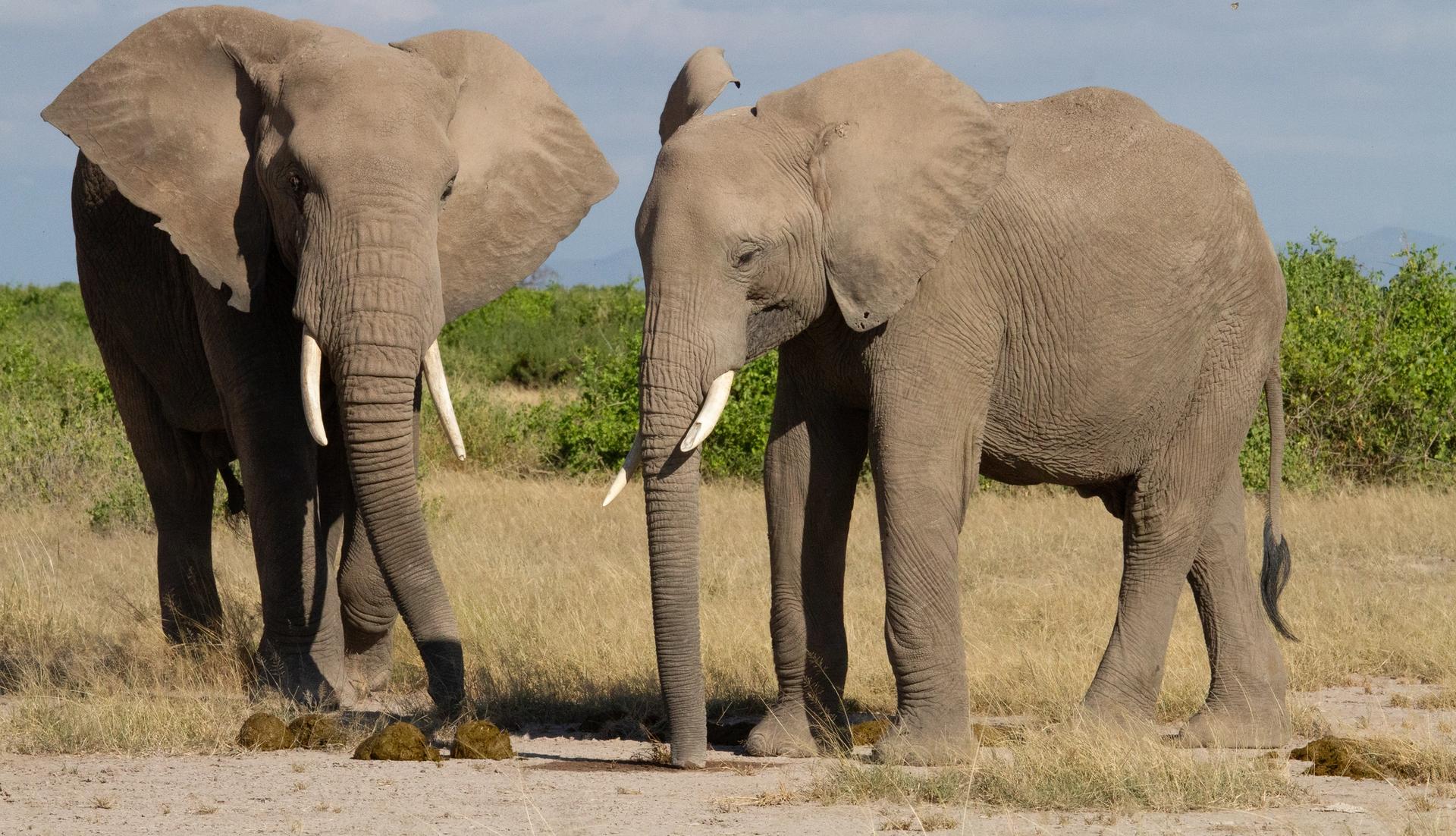
Chemical communication provides elephants with a durable, information-rich system that shapes their social lives, reproductive strategies, foraging choices, and responses to danger. In the constantly shifting landscapes they inhabit, scent is both memory and message - an invisible but powerful thread connecting individuals across time and space.
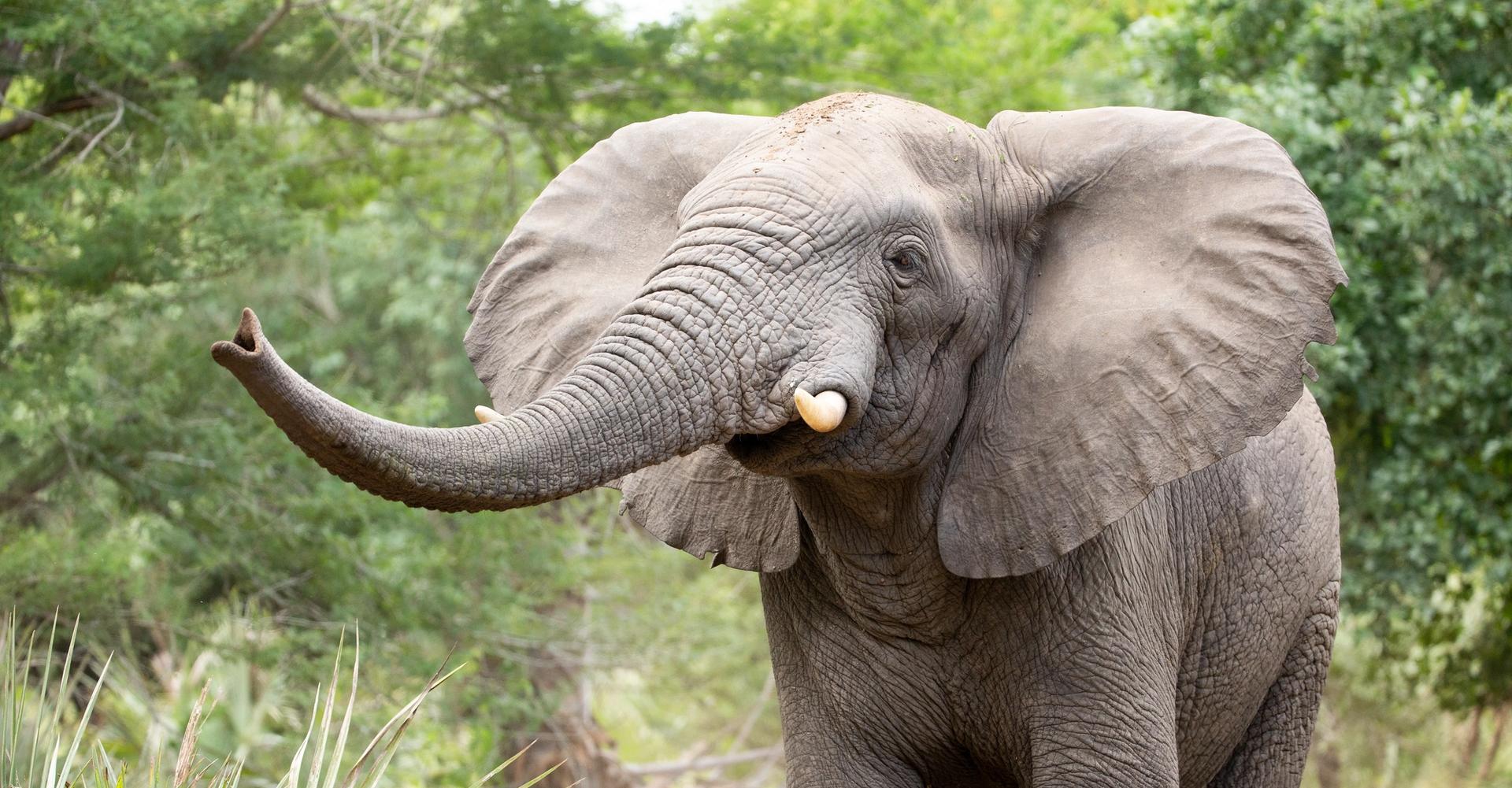
Chemical or olfactory cues are central to communication between African elephants forming a primary channel through which they gather information about family members, rivals, potential mates, food, and danger. Chemical signals are energetically efficient and can persist in the environment long after they are deposited, providing elephants with information across both space and time.
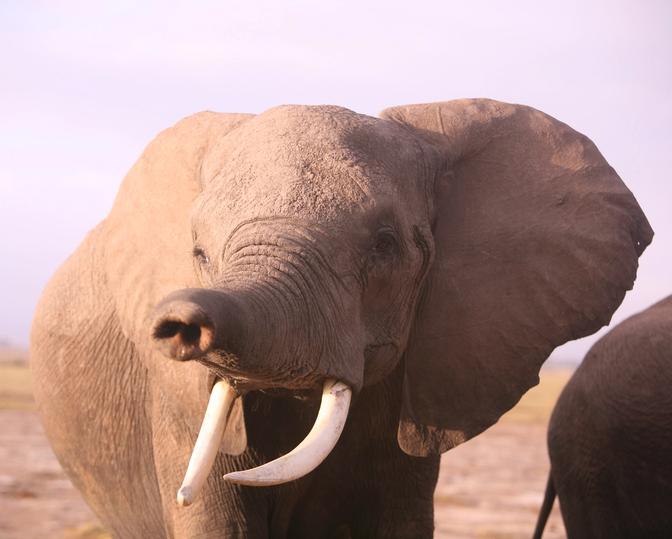
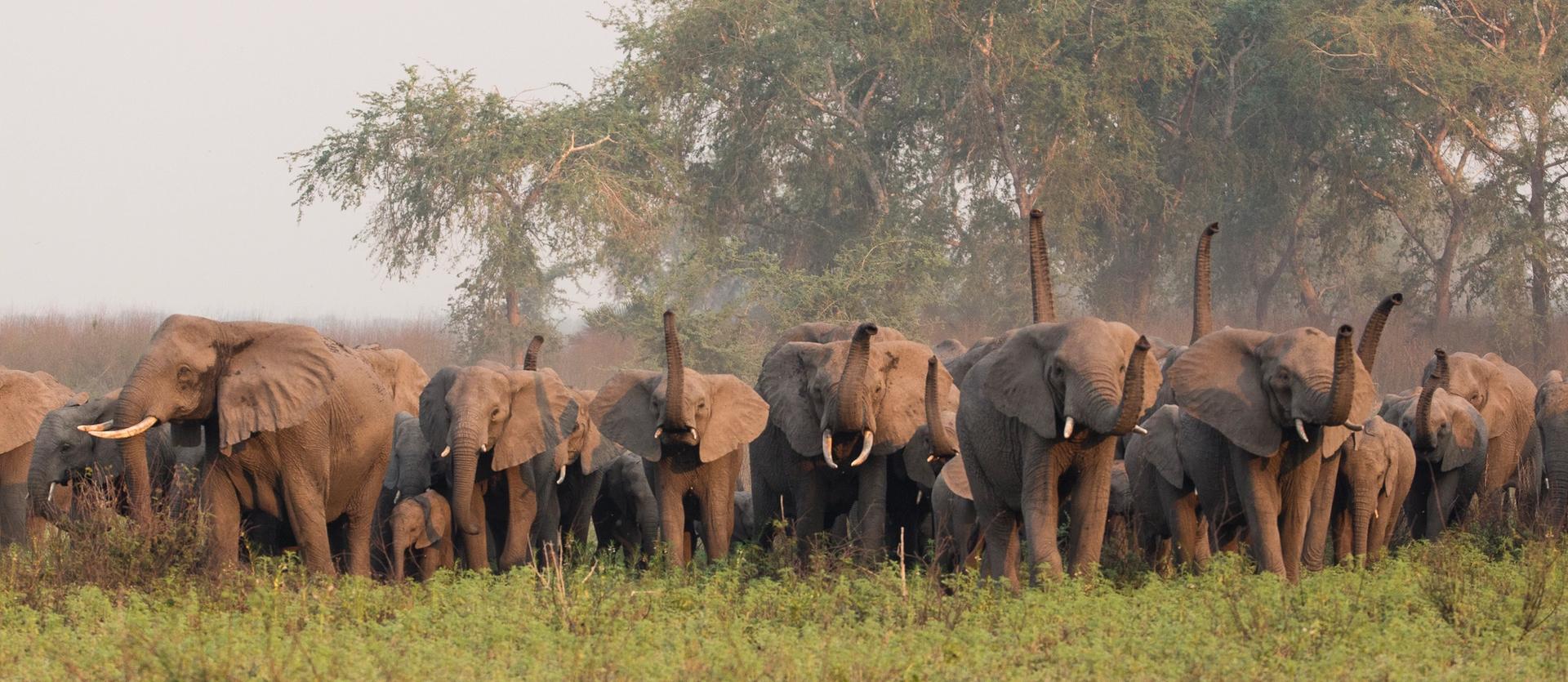
Elephants frequently raise their trunks to sample airborne scents or use the tip of the trunk to explore the ground, especially the tracks left by other elephants, their urine and fecal matter. They also sniff the genitals, temporal glands, mouths, and bodies of other elephants. When we want to understand where an elephant’s attention is directed, we look not at her eyes, but at the tip of her trunk. The trunk is constantly moving — lifting upwind, curving backward, sweeping the ground, reaching toward other individuals — mirroring the focus of her mind as she gathers information.
Sources of chemical signals from elephants include urine, feces, saliva, and secretions from several specialized glands. The most conspicuous of these is the temporal gland, a large multi-lobed sac with an opening midway between the eye and ear. Both male and female African elephants produce temporal gland secretions, but in males these secretions become particularly prominent during musth, a periodic reproductive state characterized by elevated testosterone, heightened aggression, and increased sexual activity. Chemical compounds in temporal gland secretions and urine vary with physiological condition and provide other elephants with reliable information about an elephant’s reproductive and social status and emotional state.

Elephants possess one of the most powerful olfactory systems known among mammals. Genomic studies reveal that African elephants have approximately 2,000 olfactory receptor genes — more than any other mammal studied to date, roughly twice as many as dogs and far more than humans. This genetic investment reflects the central role of scent in elephant life.
Although the trunk serves an obvious role in the acquisition of food and water, it is also extremely important for tactile investigation of the environment, olfaction and vomerolfaction. An elephant’s trunk, a fusion of nose and upper lip, contains around 150,000 muscle units, making it extraordinarily flexible and sensitive. The trunk tip houses two types of vibrissal hairs, corpuscles, and dense nerve endings that allow fine tactile discrimination and the precise collection of chemical material. Inside the nasal cavity are seven turbinals — bony scroll-like structures lined with sensory tissue specialized for detecting odors and hormonal signals. These structures house millions of olfactory receptor cells.
Within the nasal cavity are seven turbinals (dogs have only five), scrolls of bones with sensitive tissues specialized for olfaction and hormone detection. These turbinates contain millions of olfactory receptor cells. When a male is in musth, or a female is in estrus, elephants can detect hormones or chemical molecules in the urine, feces, and in secretions from the temporal glands, trunk, and mouth that mirror the individual's physiological state.
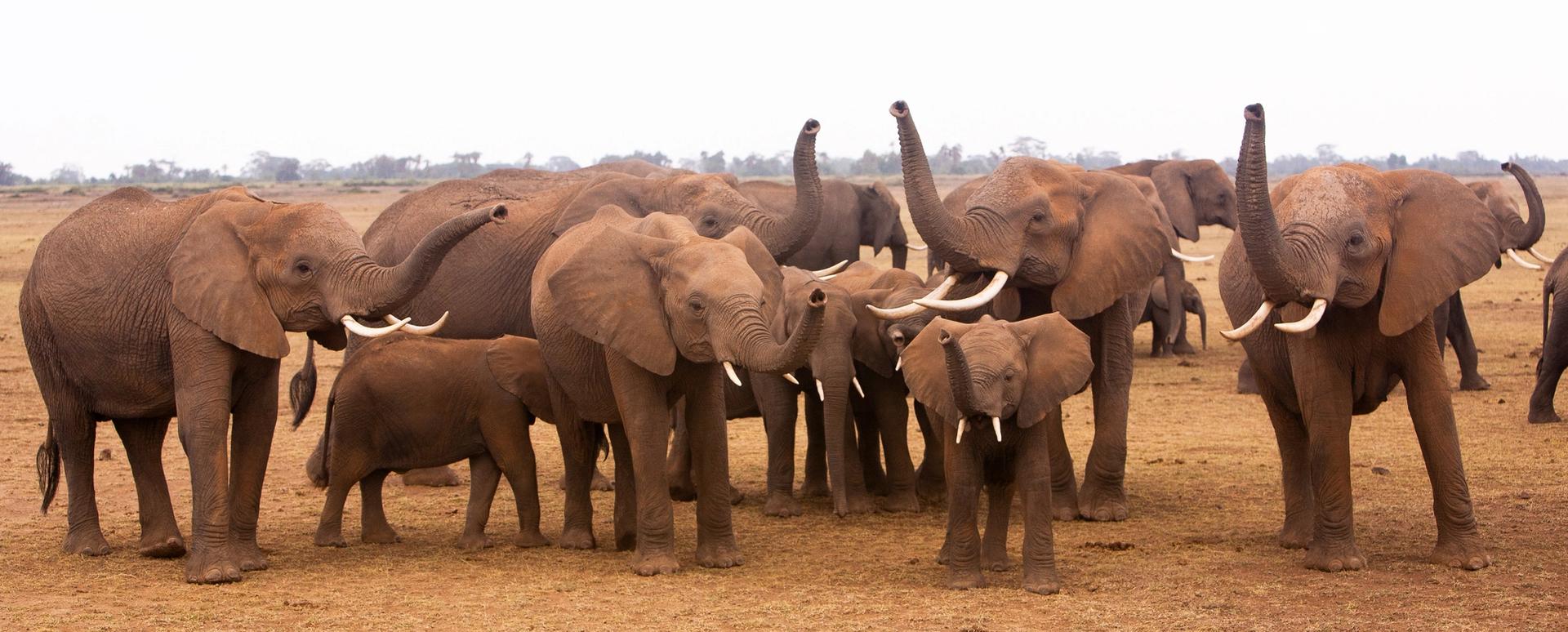
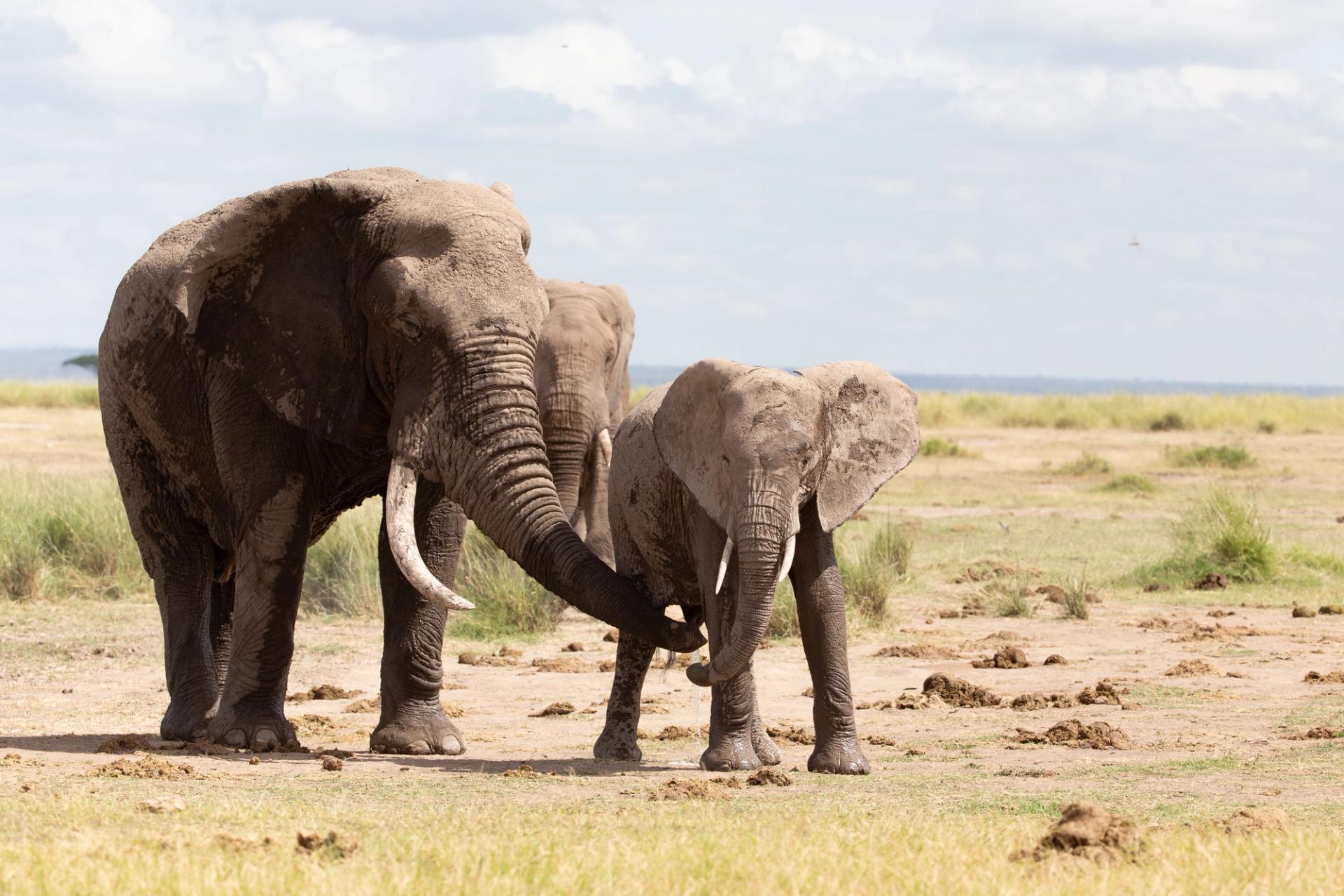
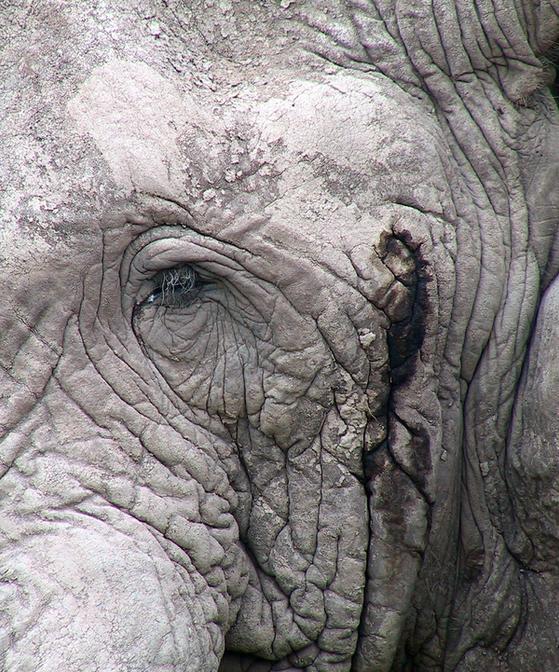
Male elephants in musth produce 'Temporal-Gland-Secretions' a thick, dark, oily fluid with a strong odor. This secretion is associated with elevated testosterone and increased sexual and aggressive behavior.
Chemical signaling is especially important in reproduction. Females in estrus produce urinary chemical cues that males can detect with great sensitivity. Males respond to these cues by investigating urine spots and, using the vomeronasal pathway, to determine reproductive status. Chemical communication allows males to distinguish females in true estrus from those who are not fertile or who have recently given birth. Our observations indicate that the latter, at least, is an ability that males must learn, as younger males are less able to discriminate between these scents than are older males.
Musth males broadcast their reproductive and dominance status through both urine and temporal gland secretions. These scents influence spacing, dominance interactions, and mating access. Other males and females adjust their behavior based on these chemical signals, making scent a central regulator of reproductive dynamics.
Recent advances in analytical chemistry are beginning to identify specific compounds associated with reproductive state, stress, and identity. Emerging work using metabolomics (tells us what is actually happening chemically in the body at a given moment) and chemical profiling suggests that elephants may possess individualized chemical “signatures,” potentially allowing recognition beyond kinship cues. The finding that elephants are able to avoid inbreeding — even with paternal half siblings whom they would not otherwise know are relatives — may well rely on olfactory phenotype matching based on genetically influenced chemical signatures.
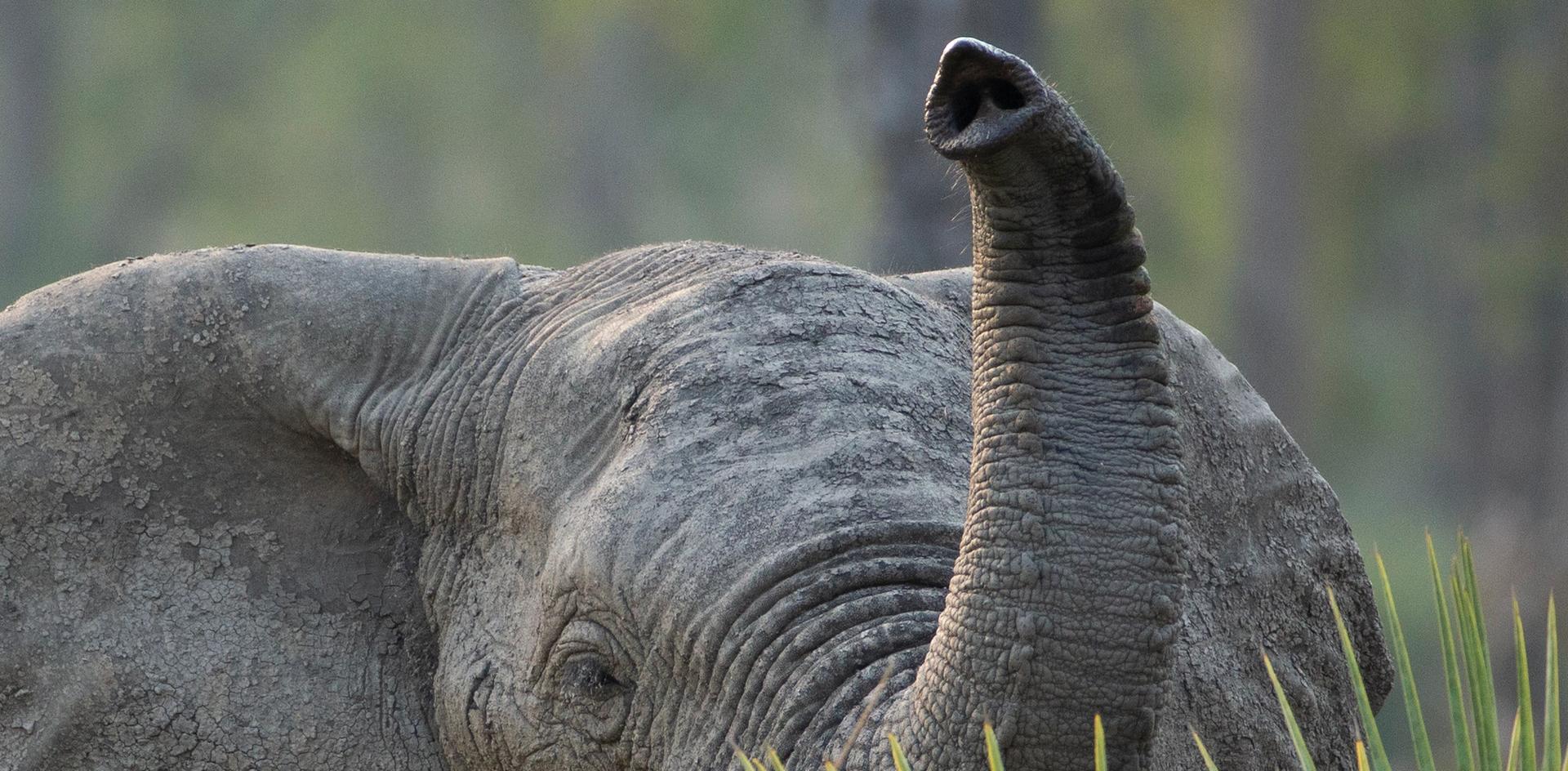
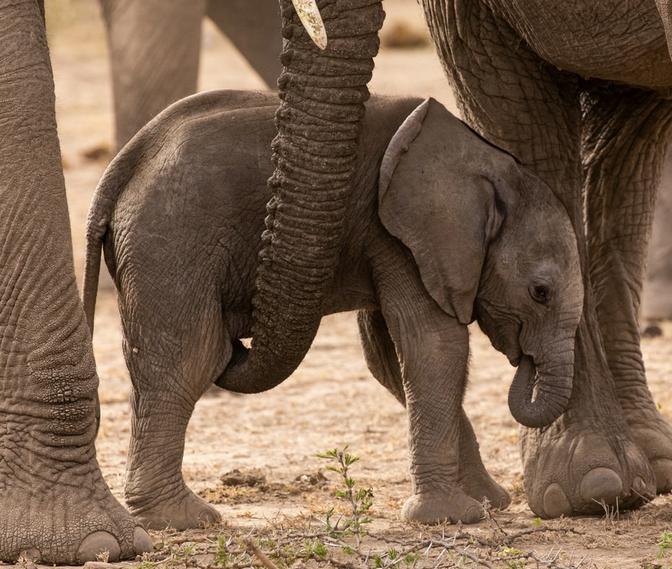
Olfaction is also fundamental to feeding decisions. Elephants are capable of detecting plant-emitted volatile compounds that signal vegetation quality and availability. This ability may help them assess food resources at a distance and make informed movement decisions across heterogeneous landscapes.
The keen sense of smell that allows an elephant to detect a tiny fragment of overripe banana from 50 meters away - as we once observed - also enables the detection of distant water, ripe fruit, or subtle shifts in vegetation chemistry.
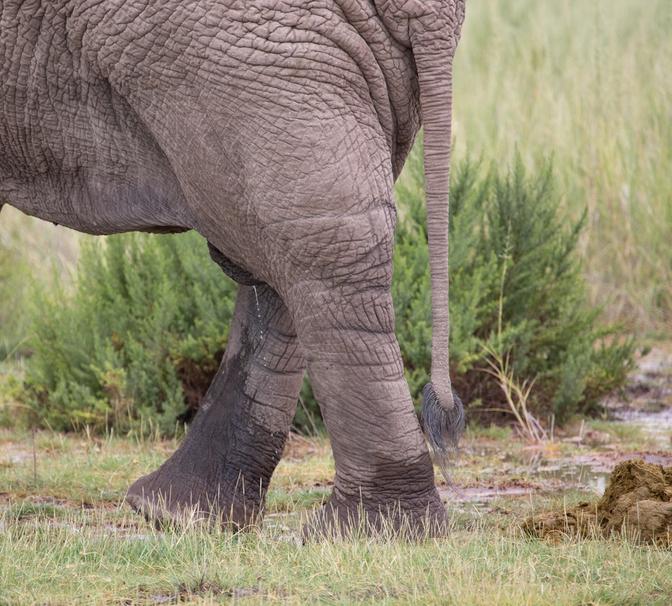
Chemical communication does not operate in isolation. Elephants integrate scent with acoustic, tactile, and visual signals. A urine patch on the ground may be interpreted differently depending on who deposited it, what vocalizations were recently heard, and what the current social context is. Increasingly, researchers emphasize that understanding elephant communication requires studying how these modalities interact.
Many of the behaviors associated with chemical communication are documented in The Elephant Ethogram: A Library of African Elephant Behavior. Using the Search Portal, selecting “Chemical” under Communication Mode will list behaviors and constellations involving scent. Searching for terms such as “Sniff,” “Sniffing,” “Flehmen,” “Place,” “Trunk-To,” or “Trunk-Toward” to give you some leads to Behaviors in which chemical communication plays a role. Click on the links to learn about the Behaviors.
Archie EA, Hollister-Smith JA, Poole JH, Lee PC, Moss CJ, Maldonado JE, Fleischer RC, Alberts SC. 2007. Behavioural inbreeding avoidance in wild African elephants. Mol Ecol. 16:4128–4148. https://doi.org/10.1111/j.1365-294X.2007.03483.x
Bates LA, Sayialel CN, Njiraini NW, Poole JH, Moss CJ, Byrne RW. 2007a. African elephants have expectations about locations of out-of-sight family members. Biol Lett. https://doi.org/10.1098/rsbl.2007.0529.
Bates LA, Sayialel CN, Njiraini NW, Poole JH, Moss CJ, Byrne RW. 2007b. Elephants classify human ethnic groups by odour and garment colour. Curr Biol. https://doi.org/10.1016/j.cub.2007.09.060.


The largest video and audio library of elephant behaviors.